


Comparing Thermal Performance of Different Aluminum Window Profiles
When selecting aluminum window profiles for your project, thermal performance is a critical factor that impacts both energy efficiency and long-term cost savings. At Aluminum Art, we specialize in manufacturing premium aluminum windows, gates, and fences that combine aesthetic appeal with superior insulation properties. This comparative analysis will help procurement specialists, business evaluators, and quality control professionals understand how different aluminum window profiles perform under varying thermal conditions, ensuring you make informed decisions for your building projects.
Key Factors Affecting Thermal Performance
The thermal performance of aluminum window profiles depends on several critical factors that procurement teams must evaluate:
- Profile design and chamber configuration (typically 3–5 chambers for optimal insulation)
- Thermal break material quality (polyamide strips with 24–30mm width provide best results)
- Glass unit specifications (double or triple glazing with Low-E coatings)
- Sealing system effectiveness (EPDM gaskets with 3–5 sealing points)
Comparative Analysis of Profile Types
The table below compares three common aluminum window profile configurations and their thermal properties:
For projects requiring superior thermal insulation, our Aluminum alloy guardrail systems with GFR-55 profiles combine durable frames with excellent thermal performance, making them ideal for both homes and businesses in extreme climates.
Certification Standards and Compliance
Quality control professionals should verify these key certifications when evaluating thermal performance:
- EN 14024 (Thermal break performance testing)
- ISO 10077-1 (Thermal performance calculations)
- ENERGY STAR® certification (for North American projects)
Procurement Decision Factors
When selecting profiles, consider these three key dimensions:
1. Climate Zone Requirements
Different regions require specific U-values - typically 1.4 W/m²K for temperate zones and below 1.0 W/m²K for extreme climates.
2. Total Cost of Ownership
Premium thermal break profiles may cost 15–25% more initially but can reduce energy bills by 30–40% annually.
3. Installation Considerations
Our 5-chamber profiles feature easier installation with pre-assembled components, reducing labor costs by 20–30% compared to traditional systems.
Frequently Asked Questions
How much difference does thermal break width make?
Increasing thermal break width from 24mm to 30mm can improve U-values by 0.2–0.3 W/m²K, making it crucial for passive house standards.
What maintenance ensures long-term thermal performance?
Annual inspection of seals and gaskets, plus cleaning of drainage channels maintains optimal performance for 15–20 years.
Can existing windows be upgraded for better insulation?
Yes, our retrofit solutions can improve U-values by 40–60% without full frame replacement, typically completing in 2–4 days per project.
Why Choose Aluminum Art for Your Project
With our strategic location in the largest building materials hub and advanced logistics network, we deliver:
- Custom thermal performance solutions for any climate zone
- 3–5 week lead times for standard orders (50% faster than industry average)
- Full technical support including thermal modeling and energy calculations
Contact our engineering team today for a personalized thermal performance analysis and sample evaluation of our Aluminum alloy guardrail systems to ensure your project meets both aesthetic and energy efficiency goals.
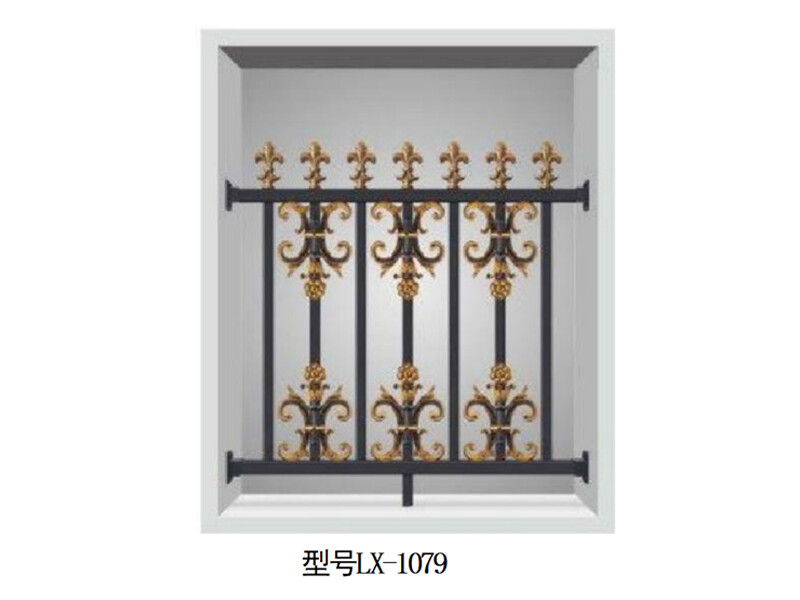
 Aluminum alloy fenceDiscover the LX-1079 premium aluminum window, designed for durability and energy efficiency. Perfect for modern homes seeking style and performance.
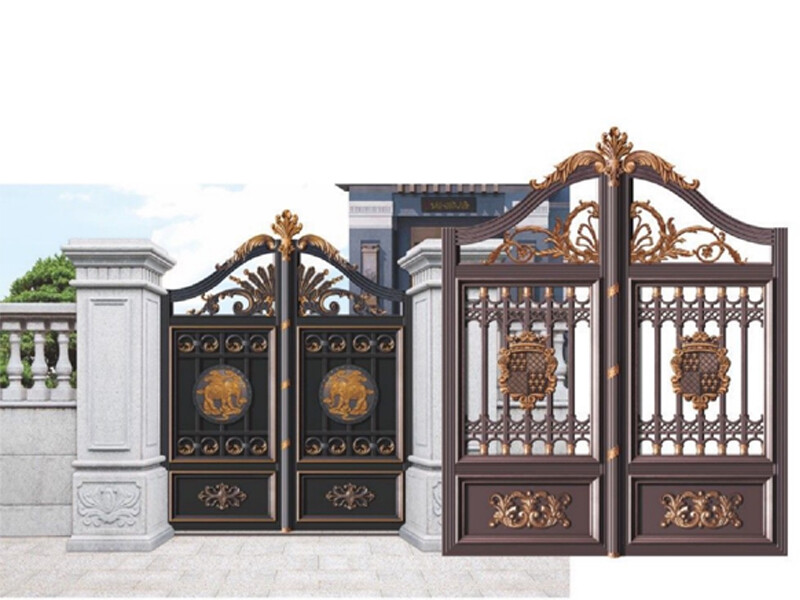
 Aluminum Alloy Chinese Style Electric Courtyard GateLuvindow LX-1069 aluminum tilt-and-turn door - hot-break profiles, 2.0mm alloy, EPDM seals, 304 diamond mesh, Belgian Sobinco hardware, 5+ year warranty.
 Thickened aluminum alloy courtyard gate, electric sliding gateLuvindow LX-1067 insulated aluminum door/window - hot-break 2mm profiles, Belgian SOBINCO hardware, EPDM seals, 304 mesh, tilt-in, 5+yr warranty.
Related Posts
CONTACT US

First class quality service and professional after-sales team.
Get in Touch
*We respect your confidentiality and all information are protected.