


How to Weatherproof Your Aluminum Courtyard Door (Installation Tips)
Why Weatherproofing Your Aluminum Courtyard Door Matters
Aluminum courtyard doors offer exceptional durability and aesthetic appeal, but proper weatherproofing is crucial for long-term performance. Unlike traditional materials, aluminum expands and contracts with temperature fluctuations—up to 1/8 inch per 10 feet during seasonal changes. Without adequate protection, moisture infiltration can lead to corrosion, energy loss (up to 30% in extreme climates), and compromised structural integrity.
For modern homes in harsh climates, combining weatherproof doors with complementary Aluminum alloy guardrail systems creates a cohesive defense against environmental stressors. The LX-1088 model's superior energy efficiency matches well with high-performance door systems.
Step-by-Step Installation for Maximum Weather Resistance
Proper installation accounts for 70% of a door's weatherproofing effectiveness. Follow these critical steps to ensure your aluminum courtyard door performs optimally for 15-20 years:
1. Frame Preparation (30-45 minutes)
Begin by checking the rough opening dimensions—they should exceed the door frame by 1/4" on all sides. Use a 4-foot level to verify plumb (within 1/8" over 80" height) and square (diagonal measurements within 1/4" difference). Apply butyl tape or fluid-applied sealant to the sill plate before setting the frame.
2. Sealant Application (Critical Zones)
Apply high-performance sealants in this sequence:
- Sill pan flashing (minimum 6" up jambs)
- Head flashing with 2" overlap
- Continuous backer rod + silicone sealant at perimeter
Maintenance Practices for Long-Term Protection
Even the best-installed doors require periodic maintenance. Implement this 5-point checklist every 6 months:
- Seal Inspection: Check for cracks or gaps wider than 1/16"
- Drainage Verification: Clear weep holes with compressed air
- Hardware Lubrication: Apply silicone-based lubricant to all moving parts
- Frame Alignment: Verify door operation with 3mm gap consistency
- Finish Check: Touch up any powder coating damage >1/4" diameter
For offices or homes near coastal areas, consider upgrading to marine-grade aluminum components that resist salt corrosion 3-5 times longer than standard finishes. The Aluminum alloy guardrail system's durable performance makes it ideal for such demanding environments.
Common Installation Mistakes to Avoid
Over 40% of weatherproofing failures stem from these preventable errors:
Inadequate Flashing Details
Never rely solely on sealants—flashing should direct 95% of water away from vulnerable areas. Install head flashings with a 5° minimum slope and side flashings that extend 2" beyond the frame.
Improper Fastener Selection
Use stainless steel screws (minimum 304 grade) spaced every 12" along jambs. Avoid over-tightening—leave 1/32" gap to allow for thermal expansion.
Enhancing Your Weatherproofing System
For comprehensive protection, integrate these complementary elements:
- Storm-rated threshold with thermal break (R-value ≥3)
- Compressible foam weatherstripping (minimum 1/2" thickness)
- Automatic door bottom seals for sliding models
When properly installed and maintained, aluminum courtyard doors can withstand wind loads up to 110 mph and temperature extremes from -40°F to 180°F without compromising performance.
Professional Support for Optimal Results
While DIY installation is possible, professional installation ensures all weatherproofing measures meet industry standards like ASTM E283 (air infiltration), E331 (water resistance), and E330 (structural performance). Our team provides:
- Laser-aligned installation within 1/16" tolerance
- Pressure-equalized rain screen systems
- 5-year weatherproofing warranty
For a complete outdoor solution, explore how our sleek design aluminum products can create a unified, weather-resistant exterior for your property.
 Retractable gateDM-1019 by Luvindow - thermal-break aluminum door with EPDM seals and 304 diamond mesh. Inward-tilt opening; modern design, ideal for hotels. 5+ year warranty.
 Thickened aluminum alloy courtyard gate, electric sliding gateDM-1018 by Luvindow: modern insulated aluminum door with hot-break profiles, EPDM sealing, optional fixed/sliding screens, 304 diamond mesh, 5+ year warranty.
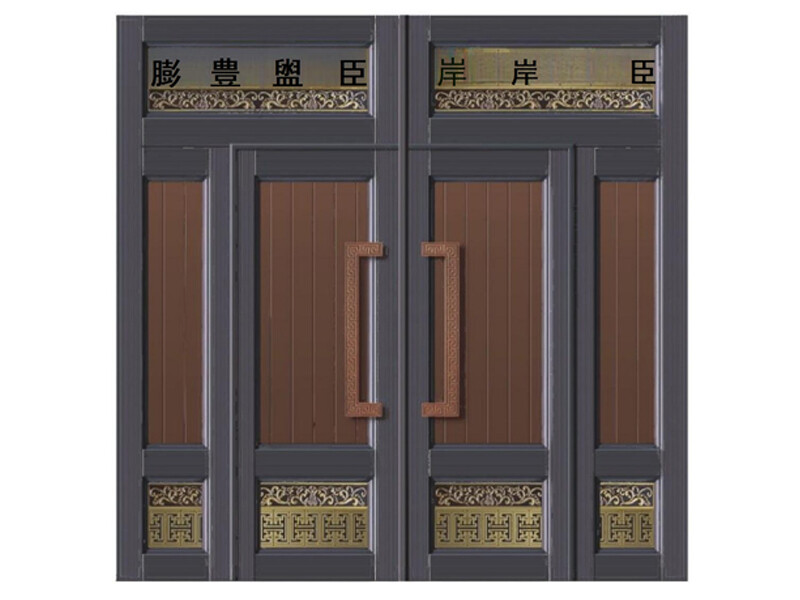
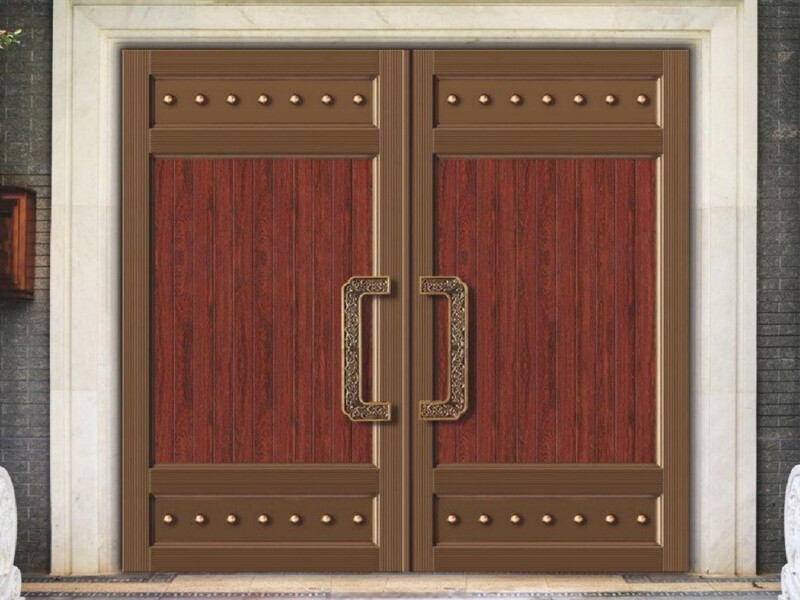
 Aluminum Alloy Chinese Style Electric Courtyard GateLuvindow DM-1017 aluminum door: modern insulated tilt & turn with 2.0mm hot-break aluminum, EPDM seals and optional 304 mesh. Ideal for hotels. 5+ yr warranty.

While WD-40 can temporarily relieve sticking, it's not a long-term solution. Its solvent properties can degrade EPDM seals over time. For doors with high-quality sealing systems like our DM-1002 model, use dedicated silicone-based lubricants instead.
Humid coastal environments accelerate corrosion, requiring 50% more frequent lubrication. In desert climates, dust accumulation necessitates dry lubricants every 3-4 months instead of standard 6-month intervals.
Unmaintained tracks typically require full roller replacement ($75-$150 per door) within 2-3 years versus 7-10 years with proper care. Severe cases may demand complete track replacement costing $200-$500 per linear foot.
Related Posts
CONTACT US

First class quality service and professional after-sales team.
Get in Touch
*We respect your confidentiality and all information are protected.