


What Are the Pros and Cons of Aluminum vs. Vinyl Window Frames?
When choosing between aluminum vs. vinyl window frames for your next project, understanding the key advantages and limitations is crucial. Aluminum window frames offer superior strength, durability, and sleek modern aesthetics, making them ideal for commercial applications and large window designs. However, they also present unique considerations regarding thermal performance and maintenance. This comprehensive comparison will help procurement professionals make informed decisions when selecting window framing materials for optimal performance and value.
Structural Integrity and Load-Bearing Capacity
Aluminum's inherent strength-to-weight ratio makes it the preferred choice for architectural projects requiring large spans or hurricane-resistant designs. Unlike vinyl which typically requires reinforcement for openings wider than 36 inches, aluminum window frames maintain structural stability even in extra-large configurations. The material's tensile strength (typically 70-700 MPa depending on alloy composition) allows for slimmer sightlines while supporting heavier glass units - a critical factor for high-rise buildings and commercial facades. For procurement specialists evaluating long-term performance, aluminum's resistance to warping and creep under sustained loads translates to reduced maintenance costs over decades of use. Our LX-1063 series exemplifies this advantage with its 2.0mm thick extruded aluminum profiles and Belgian-origin hardware, engineered to withstand extreme weather conditions common in coastal hotel projects.
Thermal Performance and Energy Efficiency
Modern aluminum window systems have overcome traditional thermal bridging concerns through advanced engineering. Contemporary solutions incorporate polyamide thermal breaks - composite barriers that separate interior and exterior aluminum components, reducing heat transfer by up to 60% compared to non-thermal break designs. When paired with low-E glass and argon fills, thermally improved aluminum frames can achieve U-factors competitive with vinyl (typically 0.30-0.45 for commercial-grade units). The EPDM or silicone sealant systems in premium aluminum windows like our LX-1063 model create airtight seals that outperform vinyl's inherent expansion/contraction characteristics, particularly in climates with temperature swings exceeding 70°F daily variations. Procurement teams should note that aluminum's recyclability (with 95% less energy required than primary production) contributes significantly to LEED certification points - an increasingly important differentiator for sustainable construction projects.
Design Flexibility and Aesthetic Considerations
The architectural versatility of aluminum window frames remains unmatched, offering three key advantages for design-sensitive projects: First, the material accommodates virtually any powder-coat finish (including custom RAL colors) with superior fade resistance compared to vinyl's limited color options. Second, aluminum permits ultra-slim frame profiles (as narrow as 1-5/8" versus vinyl's minimum ~3-1/4") that maximize glass area and daylighting. Third, manufacturers can extrude aluminum into complex shapes for curved walls or custom geometric designs - a capability vinyl cannot match due to its extrusion limitations. The flat opening + inward tilting functionality in our aluminum window systems demonstrates how form follows function without compromising aesthetic integrity, particularly for high-end hospitality venues where design cohesion impacts brand perception.
Lifecycle Cost Analysis for Procurement Professionals
While aluminum window frames typically command a 15-25% premium over vinyl in initial costs, their total cost of ownership often proves advantageous for commercial applications. Key financial considerations include: Aluminum's 40+ year service life (versus vinyl's 20-30 year expectancy), minimal maintenance requirements (no painting or sealing unlike wood; no UV degradation concerns like vinyl), and higher residual value at building renovation. The 304 diamond mesh reinforcement in our systems exemplifies how aluminum components maintain performance standards over decades, whereas vinyl components often require replacement after 15 years in high-UV environments. For hotel chains and institutional buyers, aluminum's non-combustible properties may also reduce insurance premiums compared to vinyl-clad alternatives.
Installation and Maintenance Best Practices
Proper installation techniques differ significantly between aluminum and vinyl window frames. Aluminum's rigidity requires precise shimming and anchoring to prevent stress concentrations, whereas vinyl's flexibility demands accommodation for thermal movement. Our field data shows aluminum window systems with completed surface treatment (like the LX-1063) reduce installation time by 20% compared to unfinished frames, as they eliminate onsite priming/painting steps. Maintenance protocols are equally distinct: Aluminum frames benefit from annual cleaning with pH-neutral solutions and inspection of weatherstripping (easily replaceable in premium systems), while vinyl requires careful avoidance of abrasive cleaners that can scratch the surface. The hot break aluminum profiles in our designs incorporate protective coatings that resist corrosion in salt-laden air - a critical feature for coastal properties.
Comparative Performance in Extreme Climates
Aluminum window frames demonstrate superior performance in three challenging environmental conditions: 1) In hurricane-prone regions, aluminum's impact resistance (when paired with laminated glass) meets stringent Miami-Dade County protocols that vinyl cannot achieve without heavy reinforcement. 2) Desert climates benefit from aluminum's UV stability - powder-coated finishes retain color fidelity 3-5 times longer than vinyl's pigmentation. 3) Industrial areas with acid rain or pollution exposure find aluminum's inorganic surface more resistant to chemical degradation than vinyl's organic compounds. The SOBINCO hardware system in our products undergoes rigorous salt spray testing (1000+ hours ASTM B117) to ensure reliable operation in these demanding environments.
Conclusion: Strategic Material Selection
For procurement professionals specifying window systems, the aluminum vs. vinyl decision hinges on project-specific priorities. Aluminum window frames deliver unmatched structural capabilities, design flexibility, and lifecycle value for commercial, institutional, and high-end residential applications where performance justifies the initial investment. Vinyl remains a cost-effective choice for budget-conscious projects with moderate performance requirements. As demonstrated by our LX-1063 series, contemporary aluminum systems combine advanced thermal breaks, durable finishes, and precision engineering to address historical limitations while amplifying inherent strengths. Contact our technical team for a customized analysis of how aluminum window solutions can optimize your next project's performance metrics and total cost of ownership.
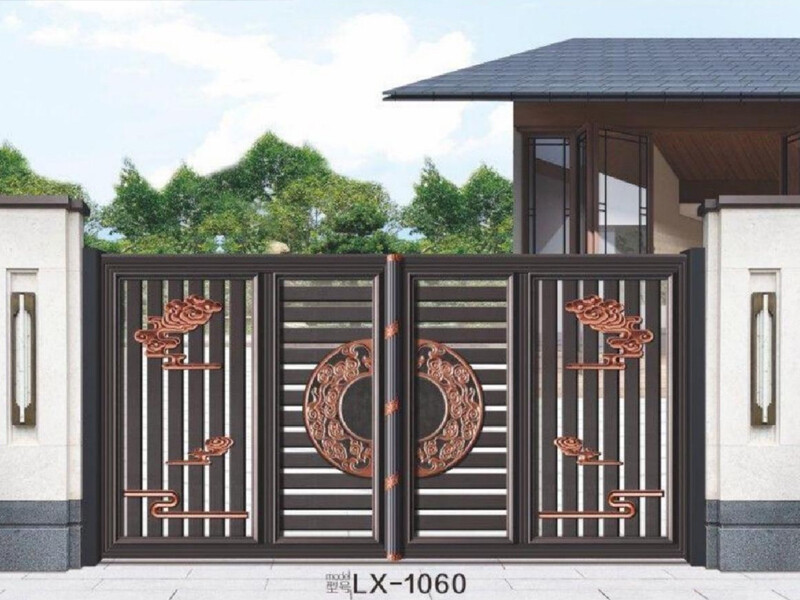
 Aluminum Alloy Chinese Style Electric Courtyard GateLuvindow LX-1060 hot-break aluminum door provides thermal insulation, 304 diamond mesh option, EPDM seals and Belgian hardware. Inward-tilt design, Shandong.
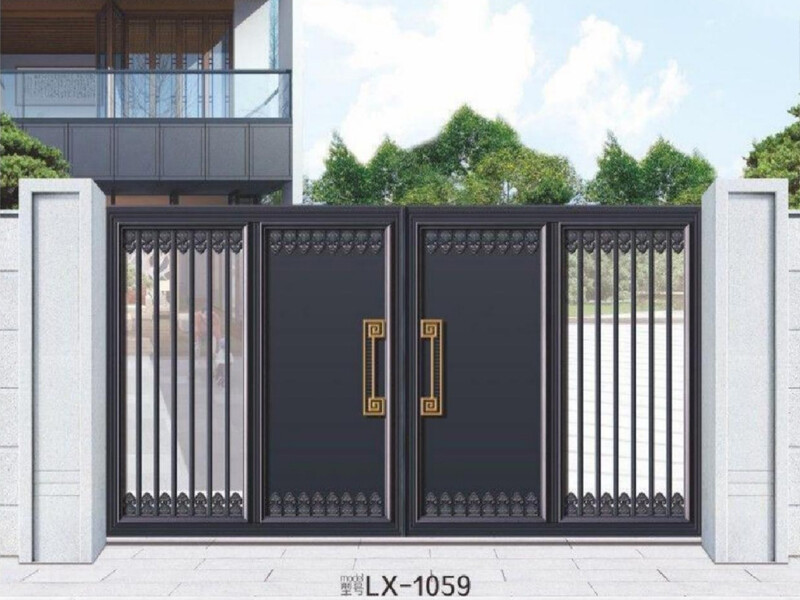
 Aluminum Electric Sliding DoorLuvindow LX-1059 insulated aluminum door, hot-break profiles, EPDM seals, SOBINCO hardware, 304 diamond mesh. Modern inward-tilt. 5+ year warranty.
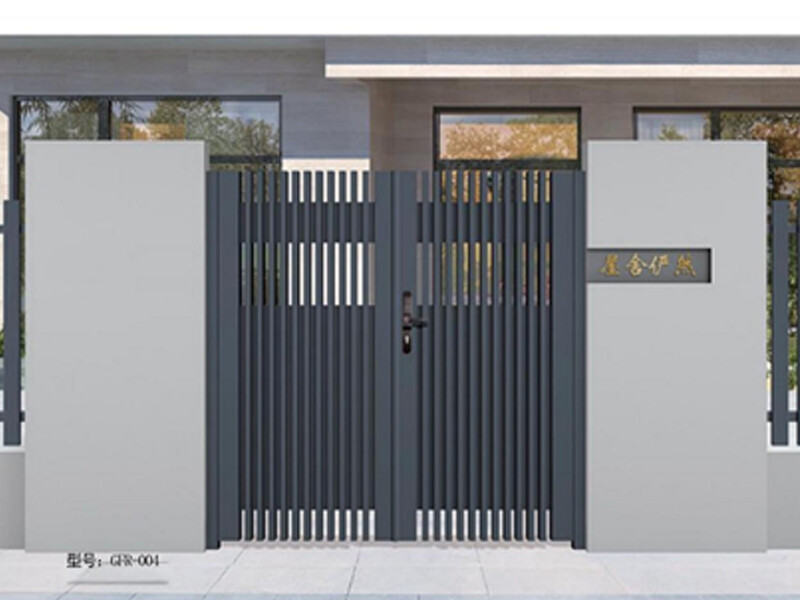
 Retractable gateLuvindow GFR-004 insulated hot-break aluminum door offers modern design, EPDM seals, 304 diamond mesh, Belgian hardware and 5+ year warranty from Shandong.
Related Posts
CONTACT US

First class quality service and professional after-sales team.
Get in Touch
*We respect your confidentiality and all information are protected.